
Ethiculture
Ethiculture is the land-based expression of Natural Synchronicity. It explores what freedom, relationship and context look like when principles have to meet the realities of daily life: soil and weather, the care of animals, food and water, tools and limits, repair and everyday responsibility.
This is no utopian wonderland. For us, Ethiculture means restoring habitat, re-establishing plant life and supporting native fauna, while remaining attentive to soil, water and maintenance. It is a daily journey of animals needing care, trees that may take years to establish, fences that need mending and seasons that refuse to follow plans.
Ethiculture is where these principles become visible. Animals are more than yield. Land is more than property. Food is more than production. Tools and technology are not rejected, but used with measure and responsibility.
Lineage
Ethiculture stands in conscious conversation with several established land-practice and ethical traditions.
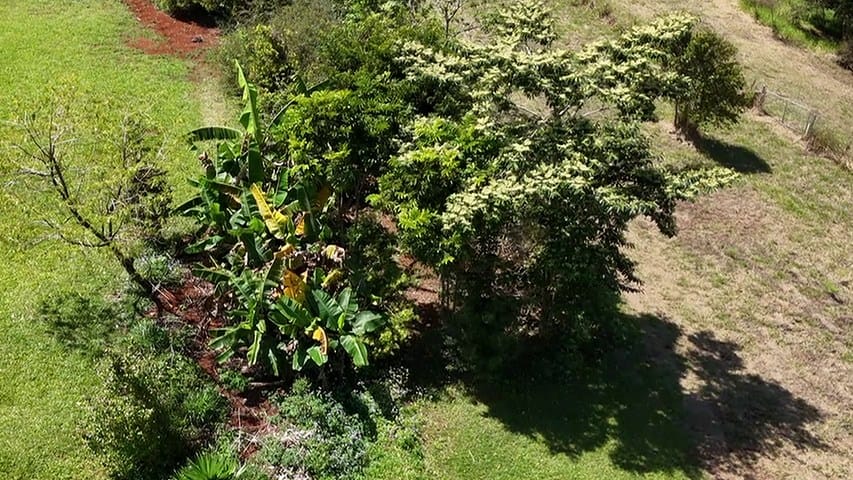
From permaculture it takes an attention to pattern: water, access, diversity, earthwork, companion planting and interrelationships alongside the resilience of a household understood as part of its landscape.
From natural farming, particularly the work of Masanobu Fukuoka, it takes a complementary discipline: the refusal to assume that more intervention, more inputs and more effort necessarily produce a healthier place.
The practical question becomes: which actions help restore a place’s own capacity, and which simply begin another cycle of dependency?
The point is not minimal intervention. It is proportionate intervention.
Permaculture contributes design; natural farming contributes restraint.
Ahimsa and the animal limit
Ethiculture also draws from the much older current of ahimsa — the discipline of non-harm carried through Jain, Buddhist and Hindu traditions — with respect rather than any claim to represent those traditions.
Ahimsa contributes not a claim of purity, but a limit: harm is not accepted merely because it is familiar or useful. Absolute harmlessness is impossible in land practice; the question is what unnecessary harm can be refused or reduced.
Inherited ground
The work begins on land already shaped by earlier clearing, grazing, spraying and compaction. Habitat has been simplified, and soil and water have inherited the consequences.
Ethiculture begins inside that inheritance rather than imagining a return to an untouched past or a sudden mystical transformation.
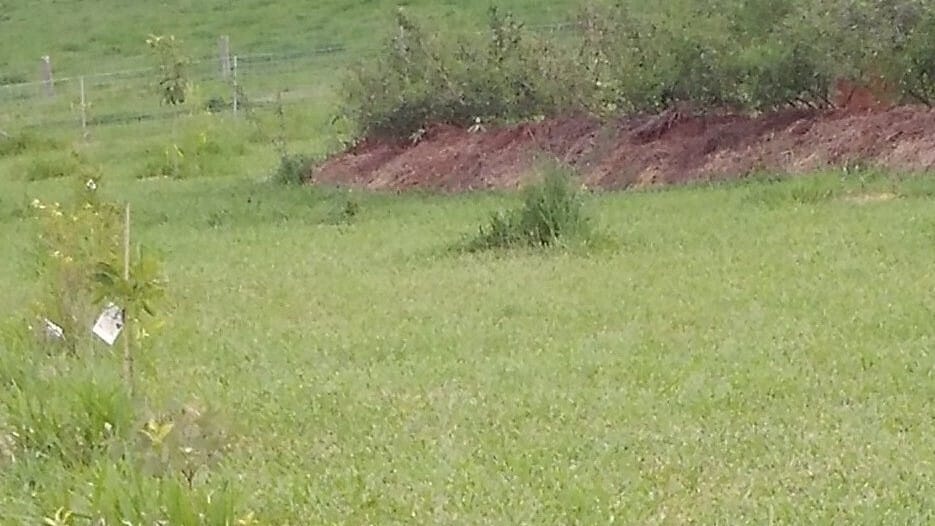
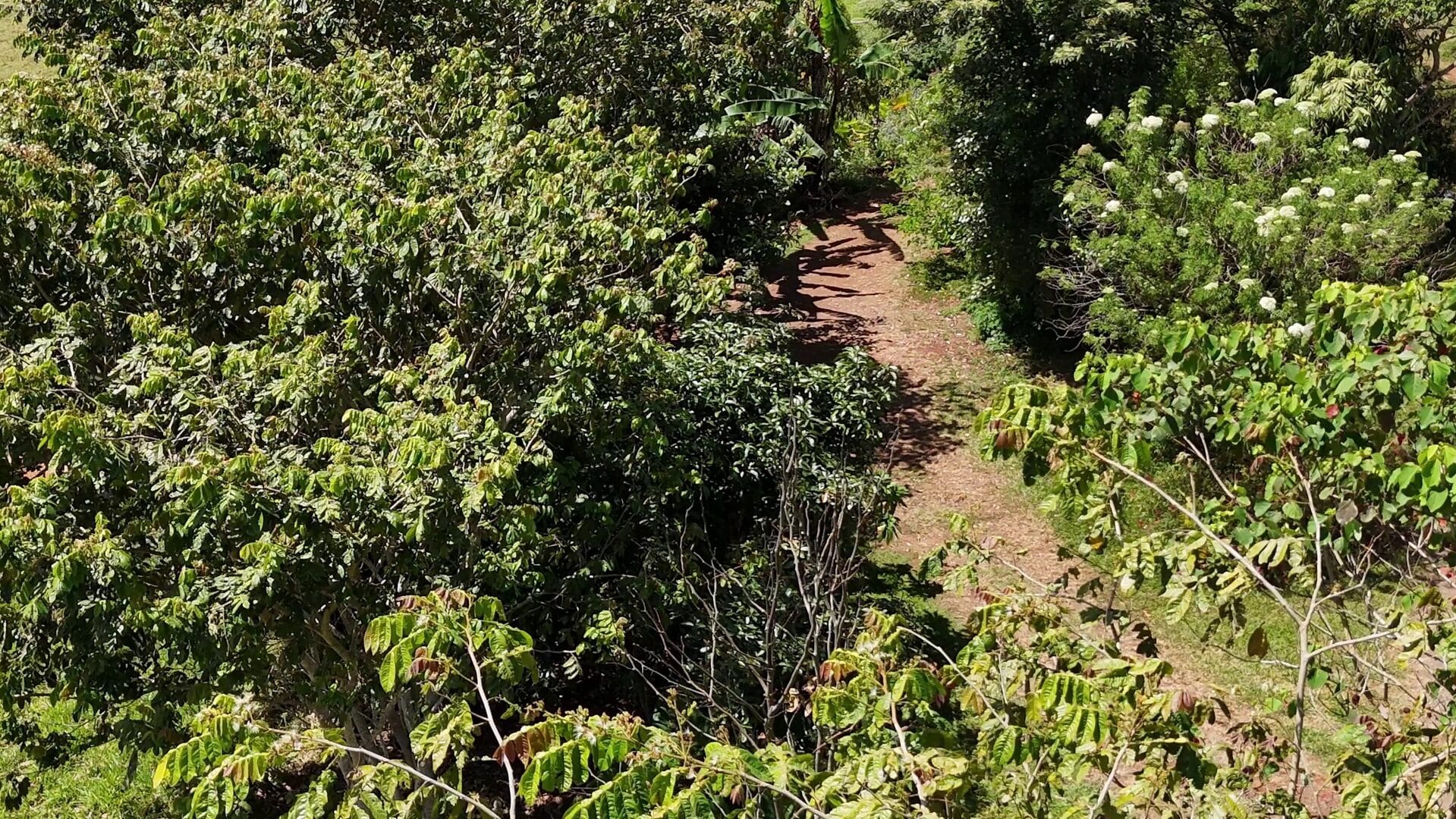
Soil is nurtured, protected and rebuilt. Water is slowed or stored then diverted where appropriate. Trees are planted for shade and habitat that may not fully exist for years. Plant life returns layer by layer. Refuge is created, giving native life more room to return.
Plans made at a desk, through symbolic timing, however carefully considered, can become irrelevant when the weather changes. Ethical commitments encounter the real costs of debt, feed, fencing, machinery, time and fatigue. The natural world, honestly observed, is neither the effortless abundance of pastoral imagination nor the hostile wilderness of its opposite.
Land keeps the thinking answerable to consequence. Principles have to survive contact with soil, weather, tools, animals, cost and time to remain true in practice.
A living system
Trees and understory, roots and groundcover, fungi and insects, pollinators and birds form relationships that no planting plan fully controls. Productive plants remain part of an ecology rather than standing apart from it as isolated crops.
Land repair and animal care are not separate ethical subjects. They are one responsibility wearing two forms.
A useful measure of progress is whether the place develops greater capacity for life, requires less unnecessary control, protects soil and water, provides food and shelter, and remains resilient.
Animals are not production units
Usefulness is not the price an animal pays for belonging.
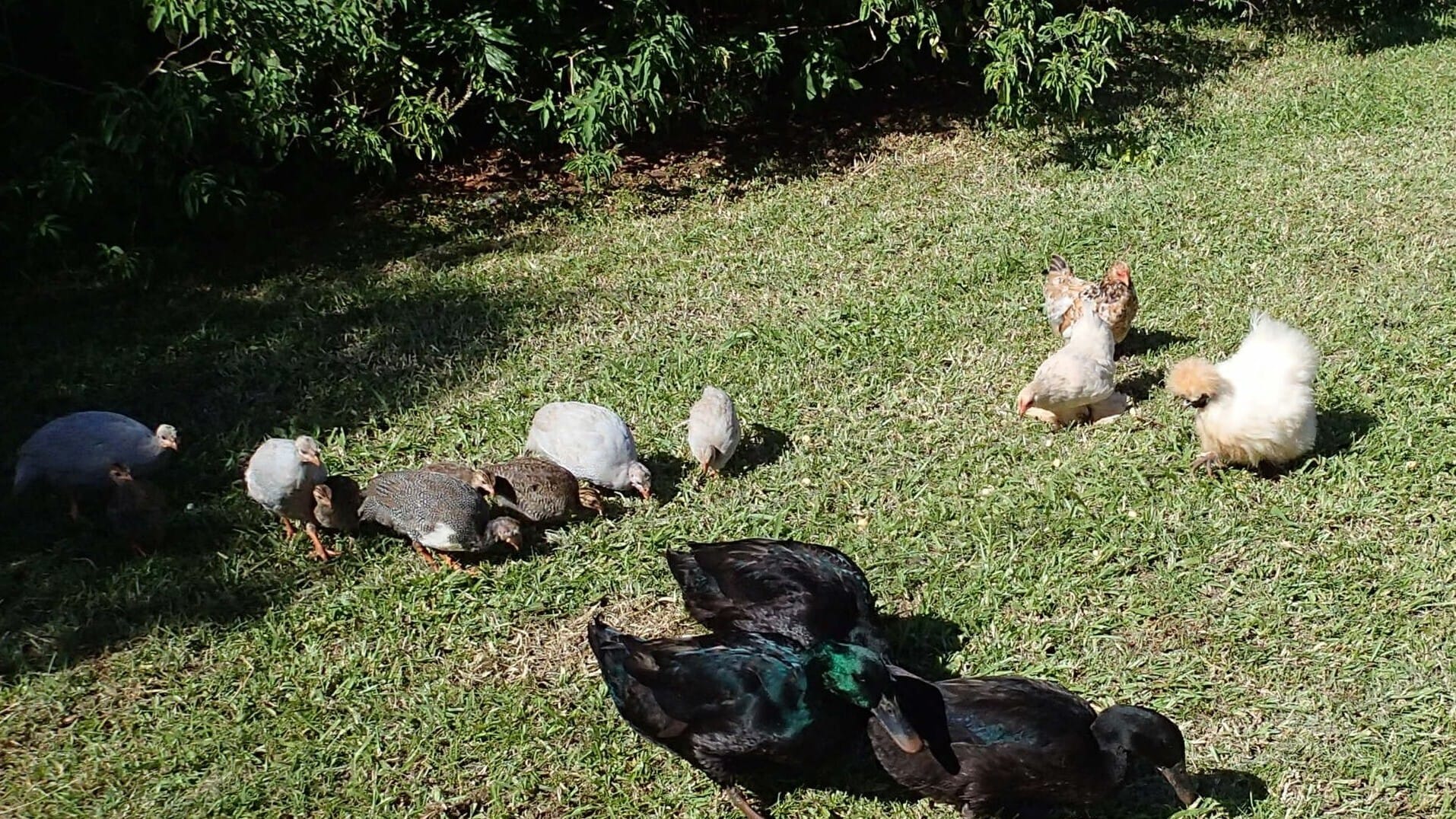
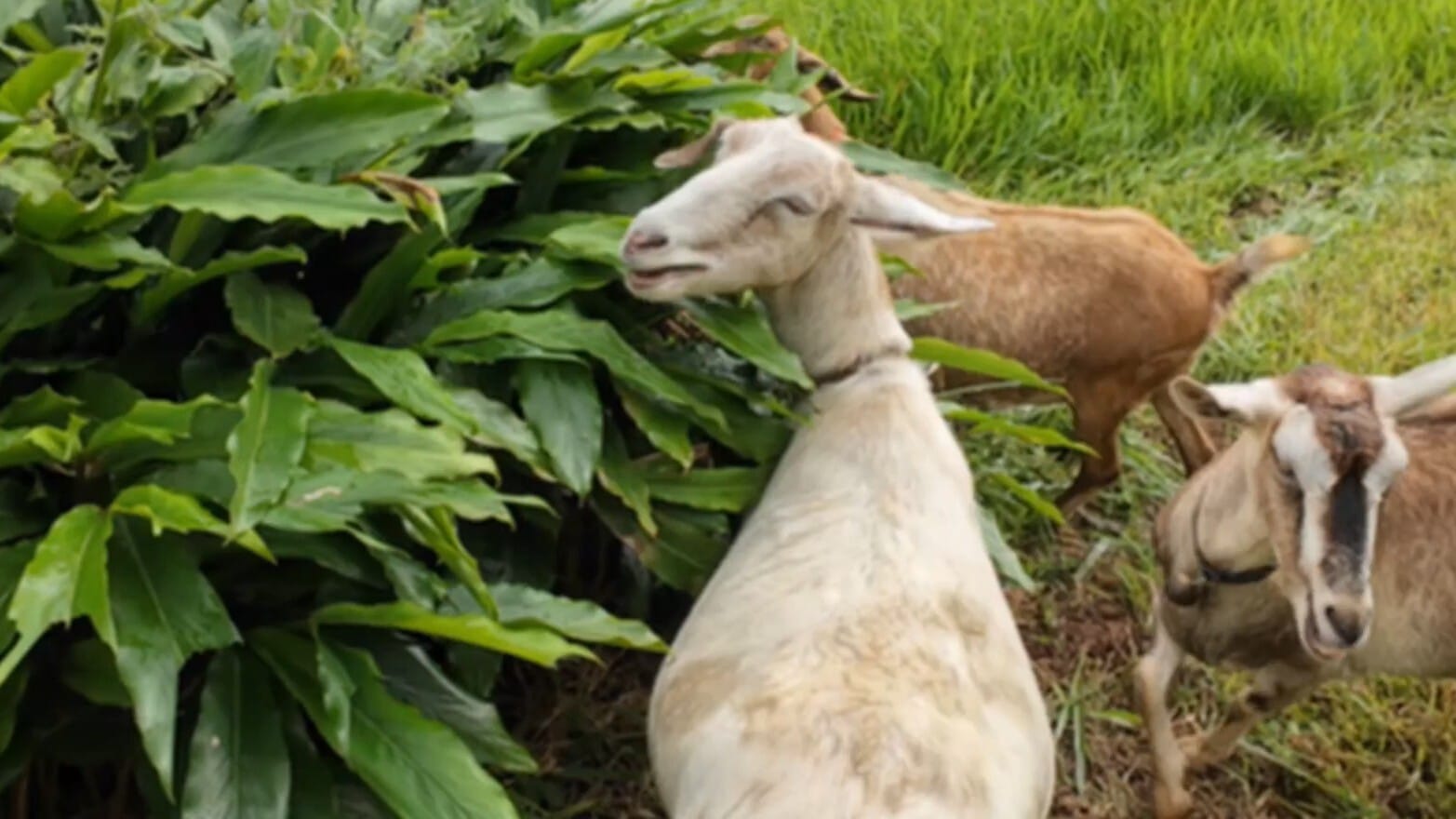
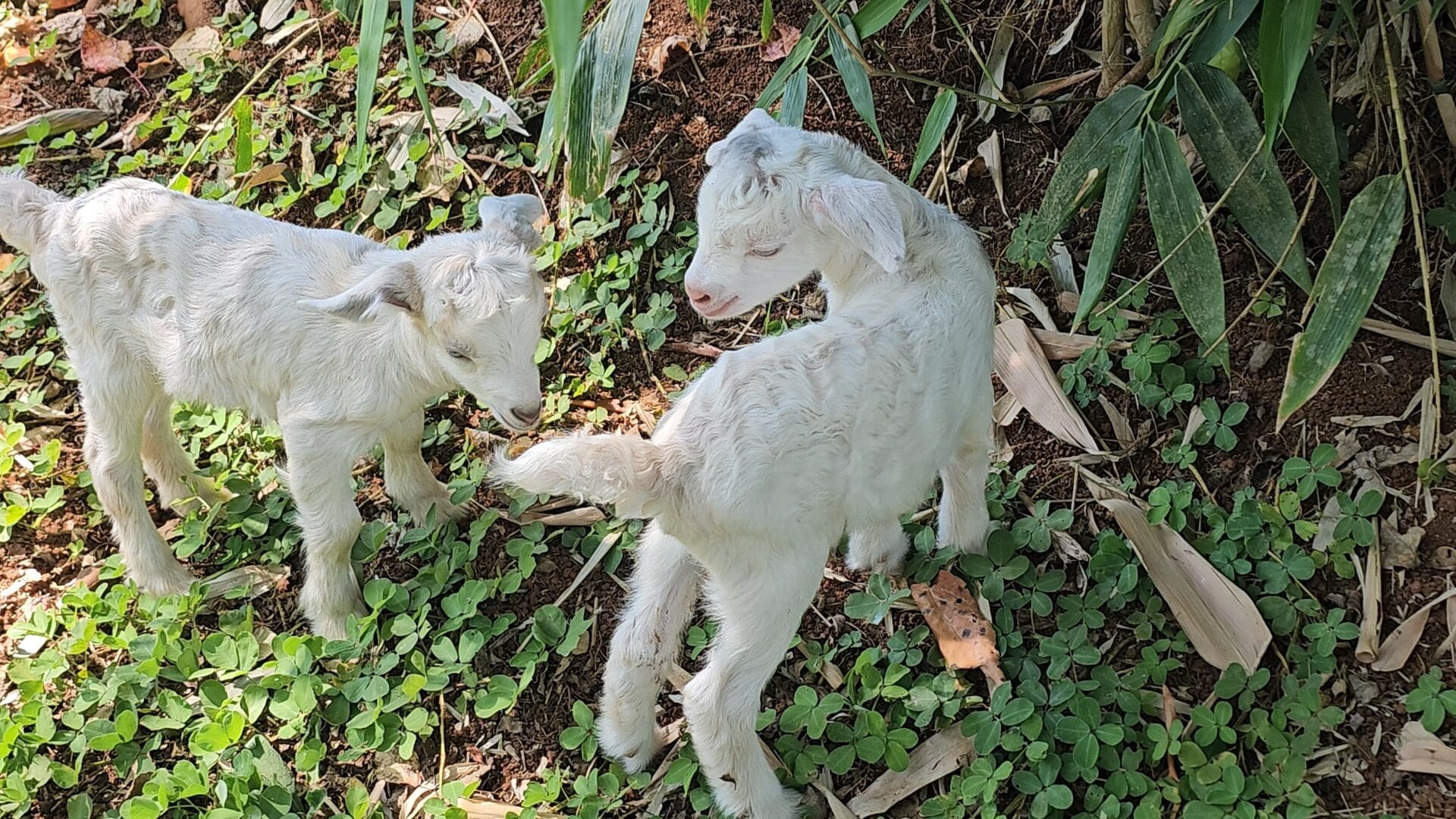
Animals living within Ethiculture are not regarded primarily as production units, weed-control machines or breeding assets. They are co-inhabitants and participants in the ecology of the place.
Animals naturally participate in the land within patterns larger than any one human design. Grazers can improve grassland and move nutrients. Browsers can manage vegetation. Birds move seed and influence insect populations. Different species contribute according to their nature, capacities and relationships within the ecology. But recognising these functions does not mean reducing an animal to its function. A goat does not have to justify its life through weed control, nor a bird through pest reduction.
The philosophical roots
Ethiculture did not appear independently of the wider Natural Synchronicity work.
The word and its early intuition appear within the novel. Iona’s Notes on Balance gave part of its ethical grammar: stewardship, sufficiency, restraint, land as more than property, animals as participants rather than units, and attention to consequence.
One place
Ethiculture is one practice in one place, under one climate, one history, one set of animals, resources, abilities and limits. What works here may fail elsewhere. What is appropriate for one animal, soil, rainfall pattern or household may be inappropriate for another.
This project can show the work, the decisions, the visible consequences and the corrections made here. It does not claim that one place provides a universal ecological model.
The point is to share what happens when the wider exploration of Natural Synchronicity is brought into material life and made answerable to consequence — through land, animals, food, water, tools, work and limits.
Observe carefully, meet the need.
Reduce unnecessary harm, know when to stop.
Natural farming asks, "what unnecessary interference can be removed?"
Permaculture asks, "how can relationships be designed to support resilience?"
Ahimsa asks, "what harm should no longer be accepted merely because it is familiar or useful?"
Ethiculture brings these questions onto the same ground.
Freedom is innate; its exercise is relational.
Principles may orient us, but their application depends on the situation.